Ideas & research
I’m curious about science broadly — how matter and energy move, how we budget mass, and how patterns change across space and time. Environmental chemistry and biogeochemistry are my home base; the questions below are personal notes, not a company brochure.
On this page: Places & curiosity · Science team · Flux, mass, space, time · Core themes · Ocean science · Ocean Flux · Climate restoration · Biology · Physics · Chemistry · Geology · Methods
Places & curiosity
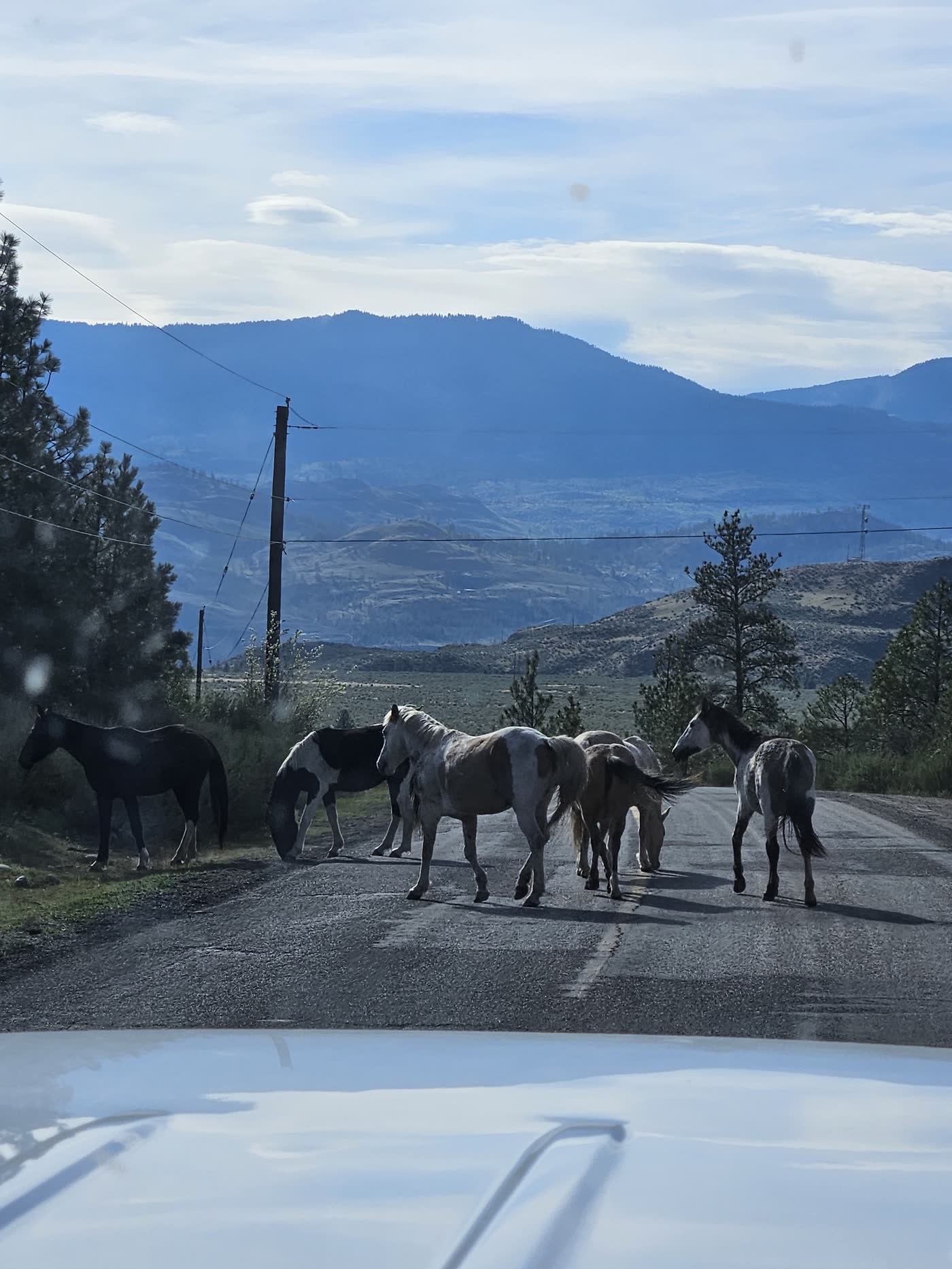
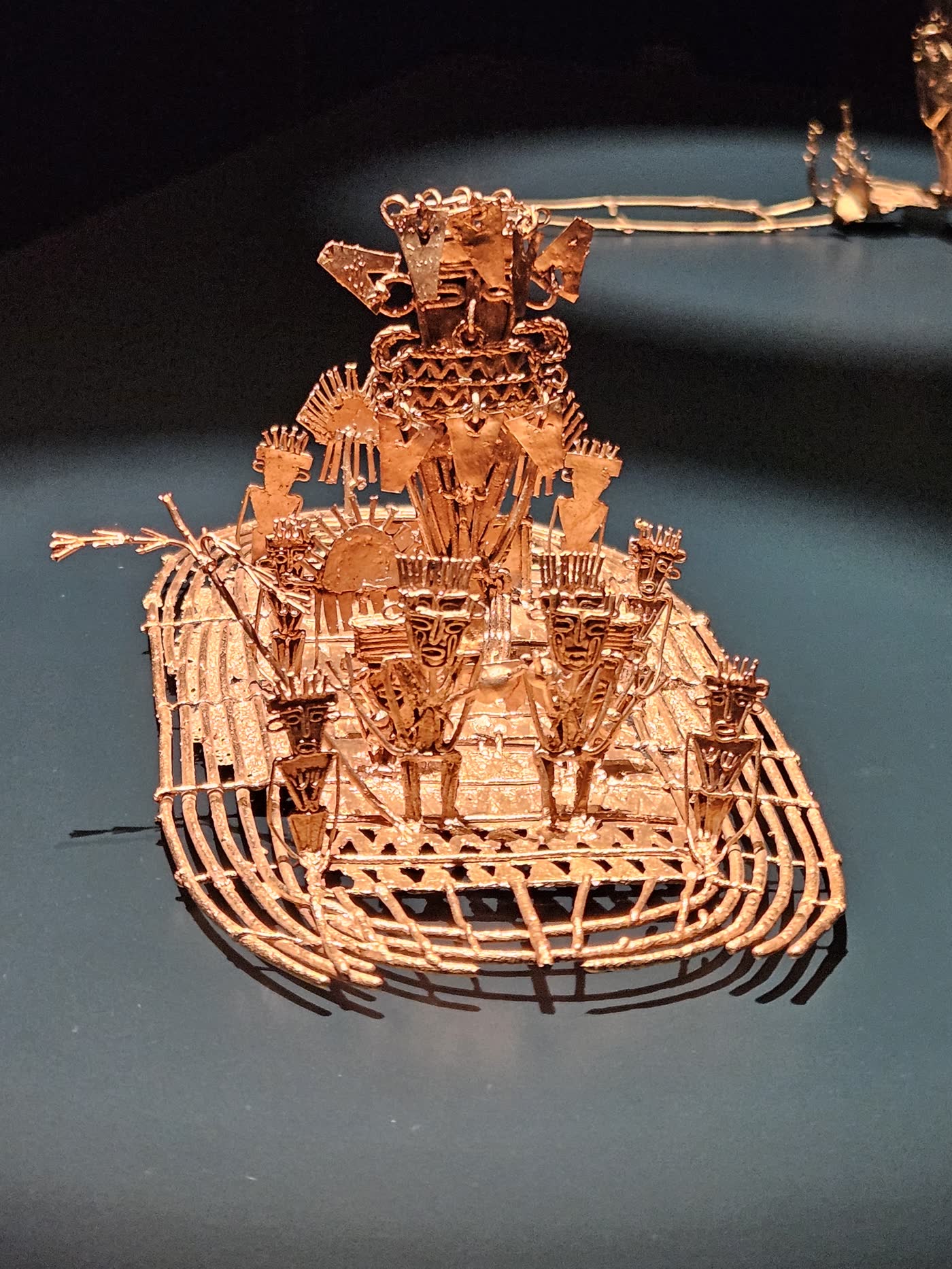
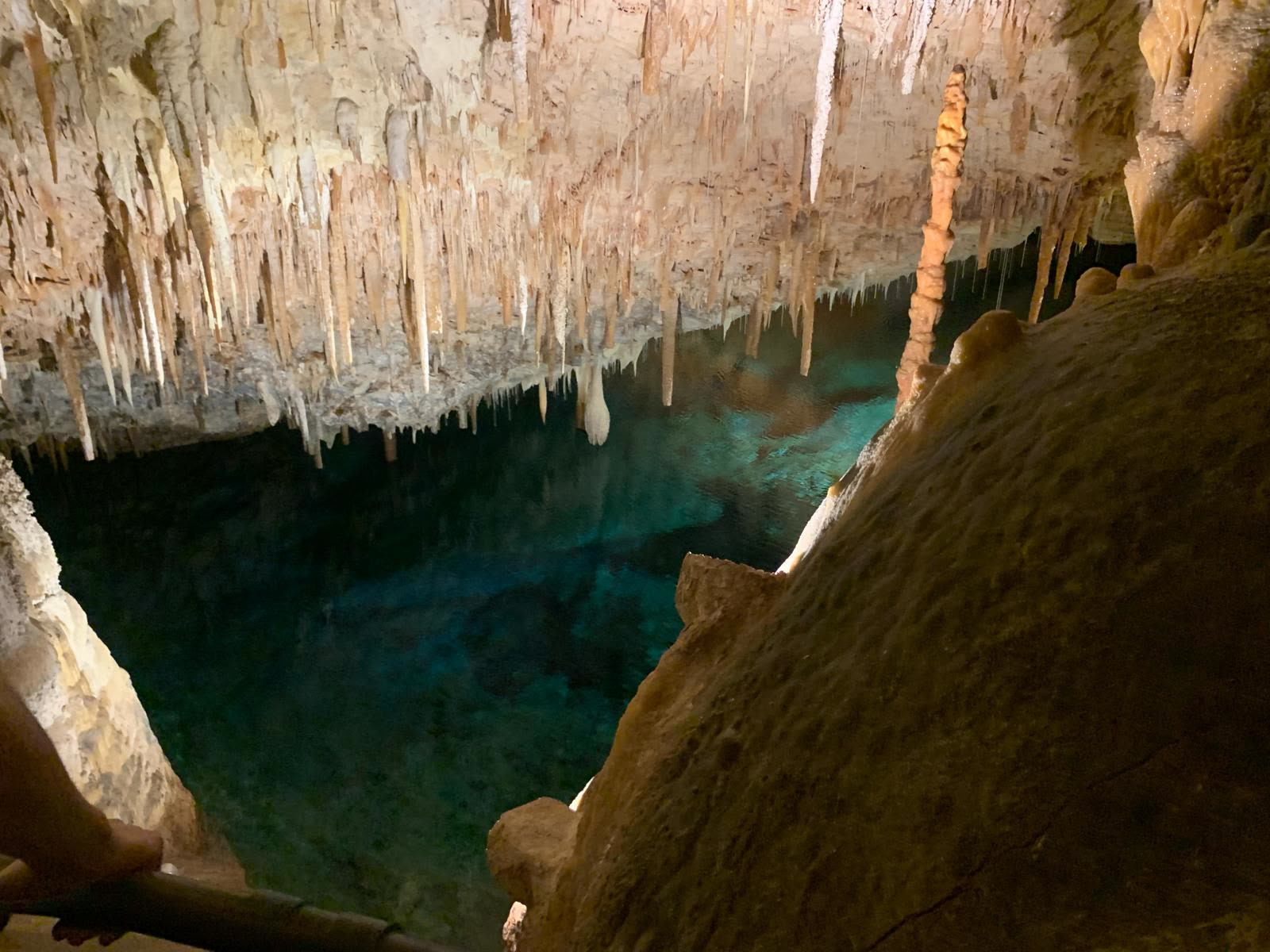
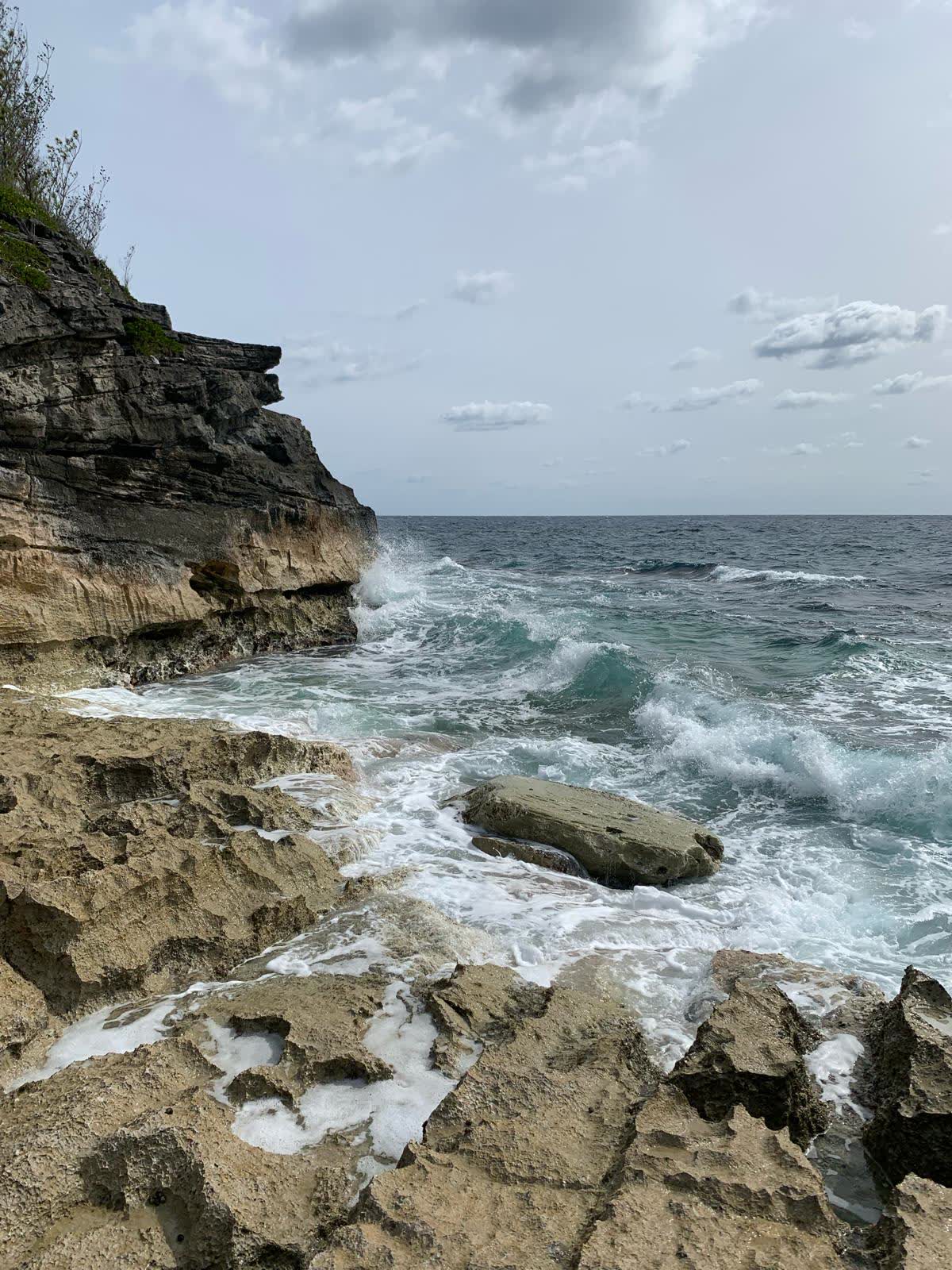
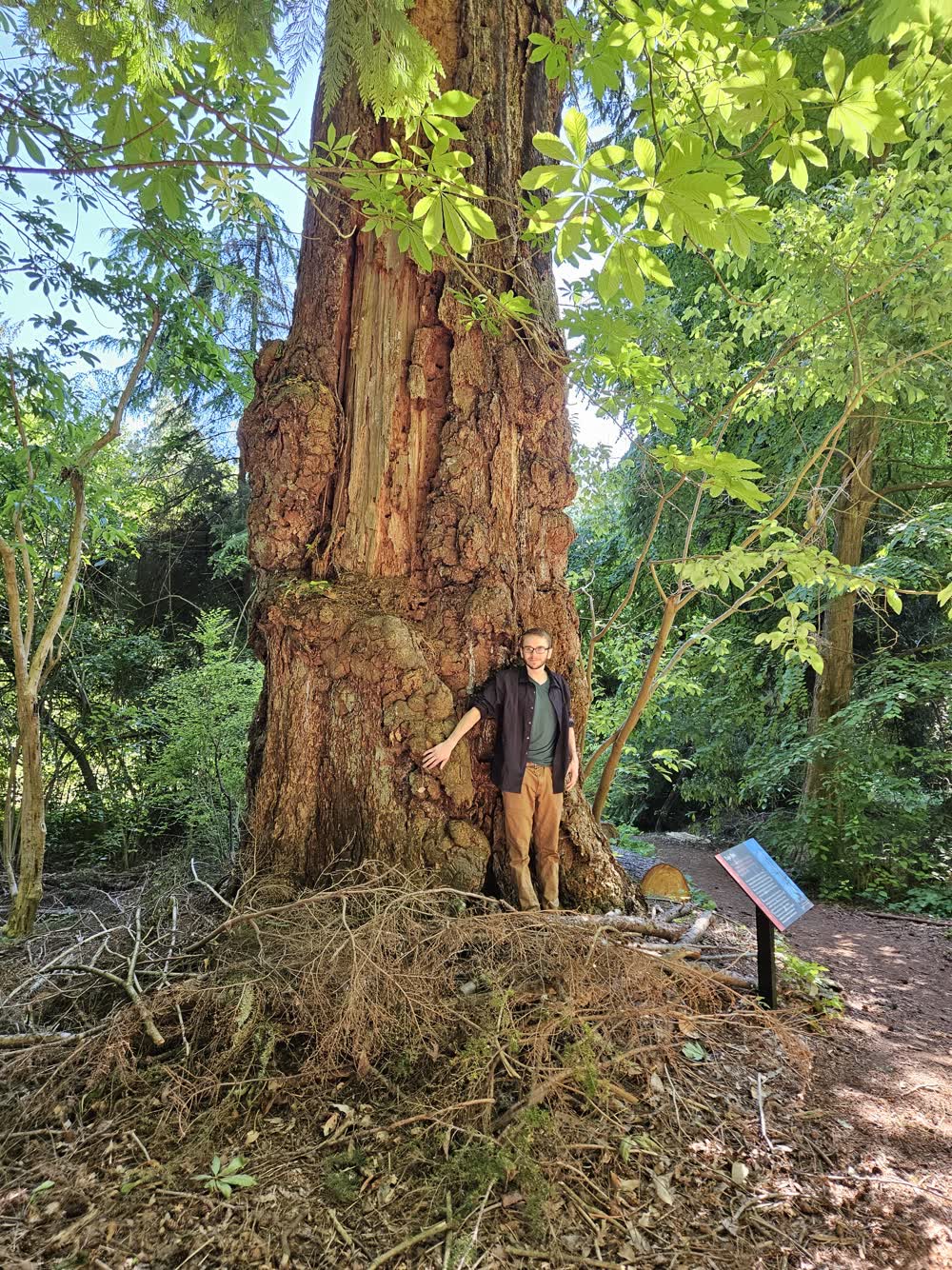
A small collection of travel, landscape, and natural-history observations that sit alongside the research notes.

Science team
I like working with — and helping build — interdisciplinary science teams: biologists, physicists, chemists, engineers, geologists, and people who bridge field, lab, and models. Good questions rarely stay inside one discipline. I’m drawn to collaborations where each person brings a real craft, language is shared carefully, and the team can move from measurement to interpretation without losing either rigor or curiosity.
That preference shows up in how I’ve already worked — isotope labs and water-quality centres, industrial and mining research contexts, teaching-adjacent science support, and volunteer advisory work with ocean and climate datasets — and it’s something I look for in future roles and projects.
Flux, mass, space, and time
Four organizing ideas I keep coming back to, whatever the specific system:
- Flux — how matter and energy move between reservoirs (soils, water, plants, atmosphere, ocean). Isotope tracers and catchment-style thinking are tools for seeing those pathways.
- Mass — budgets and mass balance: what goes in, what comes out, what accumulates. Critical-load and alkalinity-risk work sits in this family of questions.
- Space — scales from the lab bench to the landscape to Earth-system datasets. Sampling design, GIS, and remote or ocean products (for example chlorophyll, SOCAT, OCO-2/3 in advisory work) all ask where something is happening.
- Time — from reaction rates and instrument runs to seasons, multi-year field campaigns, and longer environmental change. Matching the measurement window to the process is half the problem.
I don’t claim expertise in every corner of physics or Earth science — my training and resume are in environmental chemistry and ecosystem biogeochemistry — but I’m interested in all science that helps make flux, mass, space, and time clearer.
Isotope biogeochemistry
Stable isotopes as tracers for sources and pathways — for example nitrogen / nitrate in agricultural runoff, and strontium isotopes in oil-sands and related geochemistry. I care about careful experimental design, lab collaboration, and interpreting results in an ecosystem context.
Critical loads
How much acidity or other stress an ecosystem can absorb before lasting change. My graduate work connected critical-load thinking to industrial emission contexts (including Kitimat soils and Athabasca alkalinity risk), linking field and lab data to models that decision-makers can use.
Nutrient & flux thinking
Soils, water, plants, and rocks as connected reservoirs. I’m drawn to questions about how elements move through landscapes — sampling strategies, digests and instrumental analysis, and the story those numbers tell about ecosystems under human pressure.
Ocean science
A broader ocean-facing block: the project link first, then climate-restoration curiosity, then discipline lanes (biology through methods).
Ocean Flux
One project among the ideas on this page: Ocean Flux — my ocean-restoration project. Visit https://oceanflux.ca for more. This personal site stays focused on science background and career interests, not marketing or fundraising.
Climate restoration
I’m interested in science-informed approaches to climate restoration and in how biogeochemical datasets (ocean and atmospheric) support better understanding. Volunteer advisory work has included ocean-related remote-sensing and carbon datasets; I stay curious without treating any single intervention as a silver bullet.
Ocean biology & the carbon pump
Curiosity notes from ecology and biological oceanography — public papers only.
Regenerative nutrient & iron cycling
I’m interested in how iron and other nutrients move through living food webs — phytoplankton guilds, grazers, fishes, and large marine animals — not only as dust or dissolved metal in seawater. When recycling pathways thin out, regenerative supply to the sunlit ocean can weaken even if abiotic sources remain. That framing treats lost cycling as an ecology problem first.
Anchors: Moreno & Haffa, 2014; Savoca et al., 2021; Tagliabue et al., 2017.
Export ≠ durable sequestration
A surface bloom or a chlorophyll map is not the same thing as carbon parked out of the atmosphere for a long time. I’m drawn to work that separates fixation and export from remineralization depth, particle injection, and return times — because depth and isolation decide whether carbon is a short visit or a longer stay.
Anchors: Boyd et al., 2019; Kwon et al., 2009; Siegel et al., 2021.
Iron in photosynthesis & nitrogen pathways
Cells don’t need iron as flavoring — they need it inside enzymes. Photosynthetic electron transport uses iron in photosystems and iron–sulfur / cytochrome proteins. Nitrate and nitrite reductase are iron-dependent, so growing on nitrate raises iron demand relative to ammonium. Nitrogenase, used by nitrogen-fixers, is especially iron-rich. Those pathways help explain why iron scarcity reshapes both carbon fixation and nitrogen use.
Anchors: Twining & Baines, 2013; Maldonado & Price, 1996.
Biomimicry of enzyme chemistry with light
I’ve long thought iron redox chemistry makes nitrogenase-class pathways feel plausible to mimic with light — and it’s exciting to see that kind of chemistry now in the published literature. One recent example is artificial photosynthetic reduction of N₂ to ammonia at room temperature, using iron salts with a molybdenum catalyst and water as the terminal electron donor (natural seawater in the primary study). A companion News & Views frames that work as forging ammonia with iron and light from water and nitrogen.
That paper is one published example, not the whole map. There are many more biomimicry directions worth following — photosystem chemistry, nitrogenase-like fixation, ligand/metal redox, and related light-driven enzyme analogues. Curiosity notes only; I’m not claiming invention of these paths, and this is not a field-dosing or company playbook.
Anchors: Uhlig, 2026 (News & Views); Zidouhia et al., 2026 (primary).
Ecology risk literacy (HAB & oxygen)
I’m cautious about stories that treat “more green water” as success. Community quality matters: some iron-stimulated communities can favor toxigenic diatoms, and low oxygen is a hard stop for healthy food webs. Good research questions keep harmful algal bloom risk and hypoxia in the same frame as productivity.
Anchors: Trick et al., 2010; Boyd et al., 2007.
Open questions
What still feels unfinished to me: how much trophic transfer recovers when regenerative nutrient supply improves; how mesopelagic remineralization and particle injection set real storage times; and how bioavailable iron (not total dissolved iron alone) maps onto guild shifts under changing light and organic ligands. Those are measurement and interpretation problems as much as theory.
Anchors: Boyd et al., 2019; Tagliabue et al., 2017; Siegel et al., 2021.
Physical oceanography
How circulation, eddies, and vertical motion set the stage for carbon and nutrient fluxes.
Mesoscale eddies and air–sea CO₂
I’m interested in how mesoscale eddies shape air–sea CO₂ exchange without treating them as a one-way carbon pump. Anticyclonic eddies tend to strengthen oceanic CO₂ uptake on average, largely through downward dissolved-inorganic-carbon pumping; cyclonic eddies tend to weaken that uptake, and biology adds to the imbalance. Responses are regional, so one global eddy–CO₂ mean is a poor teaching default. Air–sea anomalies here are transfer across the sea surface, not permanent burial.
Anchors: Li et al., 2025; Salinas-Matus et al., 2025.
Upwelling ↔ downwelling / subduction
Vertical motion is a twin story I keep returning to. Upwelling lifts nutrient-rich water into the sunlit layer; downwelling and subduction export surface properties and can remove biomass and dissolved tracers from that layer. Wind-forced regions such as the Gulf of Tehuantepec show how mixing, thermocline response, and eddy generation peak seasonally — supply is episodic, not a continuous paint.
Anchors: Palacios & Bograd, 2005.
Where the carbon flux sits
Physics sets which layer each flux lives in — a useful frame for reading ocean carbon stories. Air–sea CO₂ exchange sits at the surface and scales with wind-dependent gas-transfer velocity. Nutrient supply into the euphotic zone feeds biology; particle export is a pathway out of the mixed layer. Geologic-duration storage is a sediment / burial problem — not something you can read off an air–sea anomaly alone.
Anchors: Wanninkhof, 1992.
Basin scale vs mesoscale
Large-scale overturning and ventilation sit above eddy anomalies. Changes in Atlantic Meridional Overturning Circulation strength modulate the basin-scale North Atlantic CO₂ sink. Mesoscale polarity effects are local rearrangements inside that larger circulation context — complementary layers, not substitutes.
Anchors: Pérez et al., 2013.
Methods literacy
I’m drawn to methods that keep eddy–carbon stories process-honest. Satellite altimetry shows nonlinear mesoscale eddies occur throughout the ocean and can trap and transport water. Near-surface chlorophyll responses to cyclone vs anticyclone polarity also differ by region — a chlorophyll anomaly is not a sequestration metric. Together with wind-based gas exchange, that keeps interpretation grounded.
Anchors: Chelton et al., 2011; Gaube et al., 2014.
Marine chemistry
Speciation, ligands, photochemistry, inorganic carbon chemistry, and isotope tools for ocean fluxes.
Fe–ligand photochemistry
Iron in seawater is mostly bound to natural organic ligands. I’m interested in how sunlight can drive ligand-to-metal charge transfer that reduces Fe(III) to more available Fe(II), helping phytoplankton get the iron they need for photosynthesis and nitrogen assimilation.
Anchors: Barbeau et al., 2001; Rue & Bruland, 1995.
Photochemistry beyond Fe–ligands
Fe–ligand photochemistry is one doorway; I’m also curious about the wider photochemistry of ligands and dissolved organic matter — how light reshapes metal speciation, organic chromophores, and solution pathways that couple redox to bioavailability. The Barbeau-line Fe–ligand work sits in that larger light-driven chemistry frame.
Separately, I follow methane-related photochemistry as a personal interest — atmospheric and aqueous light-driven paths that touch greenhouse-gas budgets — without treating it as expertise I claim on my CV. More generally, I’m interested in photochemical solution pathways that turn light into useful redox chemistry in water, whether the target is iron, nitrogen, carbon, or organic ligands.
Anchors: Barbeau et al., 2001 (Fe–ligand photochemistry). Methane-related photochemistry here is personal-interest framing without an additional cite.
Ocean inorganic carbon chemistry
Most dissolved inorganic carbon in surface seawater is bicarbonate. The Revelle buffer factor sets how much extra DIC the ocean can hold when atmospheric CO₂ rises — a chemical control on air–sea exchange, distinct from biological uptake. That distinction matters for reading flux, mass, and climate-relevant budgets.
Anchors: Egleston et al., 2010; Sabine et al., 2004.
Isotope tracers for ocean fluxes
Stable isotopes fingerprint sources and processes — a natural extension of my land-system isotope work into ocean questions. Iron isotopes help separate dust, margin sediments, and hydrothermal Fe; carbon and nitrogen isotopes tag air–sea exchange and nitrogen cycling. They are measurement tools, not a credit calculator.
Anchors: Conway & John, 2014; Quay et al., 2003; Sigman et al., 2000.
Nutrient stoichiometry and bioavailability
Classic Redfield C∶N∶P (~106∶16∶1) is a useful biomass teaching anchor, but real communities deviate, and iron demand rises when cells grow on nitrate rather than ammonium. Bioavailability (ligands, light, speciation) matters as much as bulk nutrient inventories.
Anchors: Twining & Baines, 2013; Maldonado & Price, 1996; Martiny et al., 2013.
Organic waste → nutrient chemistry (lab stage)
A research question I care about: can hydrolysis of vegetable-rich organic scraps, followed by light-driven Fe–ligand chemistry, produce a ligand-rich dissolved pool that keeps iron bioavailable? Framed as lab-bench chemistry — not a field dosing playbook.
Anchors: Barbeau et al., 2001; Tagliabue et al., 2017.
Earth & geology
Dust, margins, hydrothermal sources, sedimentation, and burial on geologic timescales.
Lithogenic iron from desert dust
Desert dust is a major route carrying iron from land through the atmosphere into the ocean, where it can shape marine biogeochemistry and climate feedbacks. I follow how much of that aerosol iron actually dissolves — the soluble fraction varies widely after transport — because bioavailability, not total dust mass, is what biology can use.
Anchors: Jickells et al., 2005; Mahowald et al., 2005.
Margin sediments and hydrothermal iron
Iron reaches the ocean from more than dust alone. Along a North Atlantic section, Saharan dust dominated dissolved iron, with additional contributions from continental-margin sediments and Mid-Atlantic Ridge hydrothermal venting. Hydrothermal dissolved metals can also travel at basin scale across the South Pacific — a reminder that geologic sources are complementary, not interchangeable.
Anchors: Conway & John, 2014; Tagliabue et al., 2010; Resing et al., 2015.
Sedimentation: shelves, ballast, and preservation
I’m interested in how particles leave the surface, settle, and accumulate on the seafloor. Shelves shallower than about 50 m are a tiny fraction of ocean area but may account for roughly half of global organic-carbon flux to the seafloor. Deep organic-carbon fluxes also correlate with mineral ballast — calcium carbonate, opal, and lithogenic material — while early diagenesis (oxygen exposure, accumulation rate, mineral protection) decides how little of marine production survives as sediment organic matter.
Anchors: Dunne et al., 2007; Klaas & Archer, 2002; Hedges & Keil, 1995.
Burial as geologic-duration carbon storage
Sedimentary burial is the biotic path that can keep organic carbon out of atmospheric contact on geologic timescales if it survives early diagenesis. Deep-sea burial fluxes are small next to water-column respiration — on the order of tens of Tg C yr⁻¹ in one ²³⁰Th-normalized atlas — yet paleoceanography shows higher deep-sea organic-carbon burial during glacial maxima than interglacials. That climate-scale record is existence proof that burial matters; it is not a modern operations manual.
Anchors: Hayes et al., 2021; Cartapanis et al., 2016.
Methods & measurable ocean science
Dilution, tracers, sensors, and experiment design that keep storage claims measurable.
Open-ocean patch dilution
Fertilized or tracer patches in the open ocean do not stay as closed bathtubs. Lateral stirring stretches and dilutes them while entraining ambient water, so inventories and concentrations must be interpreted with dilution — not with the initial release alone. That methods point matters for any honest reading of process-scale experiments.
Anchors: Abraham et al., 2000; Law et al., 1998.
SF₆ as a mixing and patch tracer
Sulphur hexafluoride releases are a standard way to map how fast a surface patch expands and mixes. Continuous SF₆ mapping turns “how diluted is the experiment?” into a measured quantity instead of an assumption — the kind of measurement literacy I value in field and lab work.
Anchors: Law et al., 1998; Watson & Ledwell, 2000.
Oxygen optodes and measurement honesty
Continuous ocean O₂ records usually come from optodes. Calibration, response time, pressure/temperature effects, and drift all matter — uncorrected drift can be large enough to distort hypoxia thresholds or air–sea oxygen flux calculations. I’m interested in that measurement chain as much as the headline number.
Anchors: Bittig et al., 2018; Bushinsky et al., 2016.
Sequestration is a measurable chain
Greener water is not the same as durable carbon storage. Export from the sunlit layer and the depth of remineralization control how long carbon stays out of atmospheric contact; chlorophyll or NPP alone do not prove sequestration.
Anchors: Boyd et al., 2019; Kwon et al., 2009; Siegel et al., 2021.
Experiment design beyond a green patch
Process-scale ocean experiments need published stop-rules and endpoints beyond surface biomass: dilution context, oxygen, community risk, and export attenuation or isolation where storage is claimed. Surface green-up without those measurements is a bloom story, not a storage claim.
Anchors: Buesseler et al., 2020; Boyd et al., 2007.